
 EN
EN



When presenting a premium necklace, the packaging that surrounds it carries as much significance as the jewelry itself. A Van Cleef box is not merely a container — it is an extension of the brand's luxury promise, a tactile first impression, and a structural safeguard for delicate necklaces that demand careful handling. Choosing the right style requires understanding how form, function, and presentation intersect at the highest tier of fine jewelry packaging.
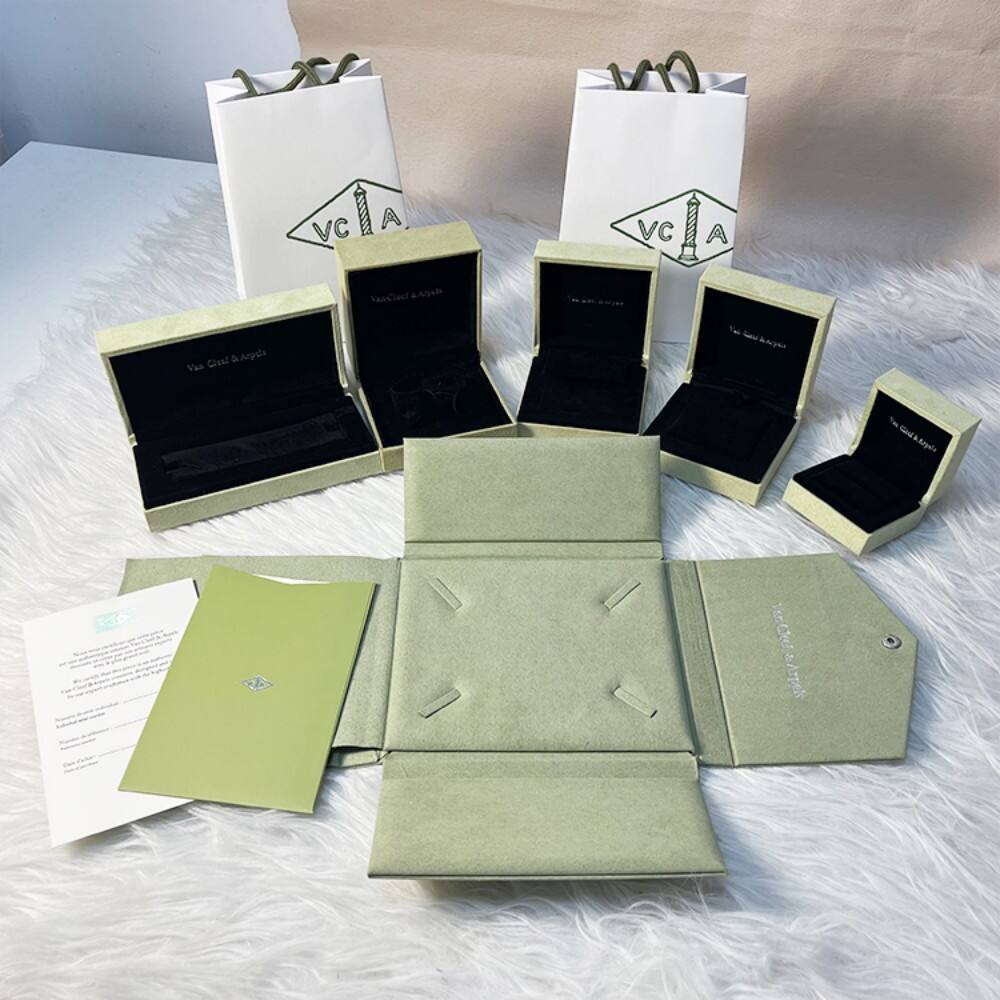
This guide walks through the essential selection criteria for a Van Cleef box designed specifically to hold premium necklaces. Whether you are sourcing packaging for retail presentation, gifting, or brand replication at the wholesale level, every decision — from internal structure to exterior finish — directly shapes the perceived value of the necklace inside. Understanding these choices ensures that the packaging does not undermine the quality of what it protects.
Understanding the Role of a Van Cleef Box in Necklace Presentation
Why Packaging Shapes Perceived Luxury
The unboxing moment has become a defining touchpoint in the premium jewelry experience. When a client receives a necklace housed in a properly selected Van Cleef box, the weight of the lid, the smoothness of the lining, and the precise fit of the interior insert all communicate craftsmanship before the necklace itself is even visible. These sensory cues are not accidental — they are the result of deliberate structural and material decisions.
A Van Cleef box that feels lightweight, shows uneven seams, or has an interior that does not hold the necklace securely creates immediate dissonance with a premium price point. Luxury packaging must perform consistently across repeated handling, travel, and display. This makes style selection a strategic business decision, not just an aesthetic one.
For necklaces specifically, the interior geometry of the Van Cleef box matters more than for rings or earrings. A long chain or a pendant necklace needs dedicated support to prevent tangling, scratching, or shifting in transit. The right box style provides that support through a combination of depth, internal configuration, and lining tension.
The Functional Relationship Between Box Style and Necklace Type
Not all necklaces share the same dimensional requirements. A delicate gold chain with a small pendant differs significantly from a bold statement collar or a multi-strand piece. Before selecting a Van Cleef box style, it is essential to measure the necklace's full extended length, pendant drop depth, and chain width. These measurements directly dictate which box dimensions and interior layouts are appropriate.
A Van Cleef box intended for a long necklace typically requires either a wider rectangular footprint or a deeper cavity that allows the chain to be coiled without stress on the links. Shallow boxes may look elegant but can compress delicate pendants against the lid, causing surface damage during transit. Always match the interior volume of the Van Cleef box to the actual three-dimensional space the necklace occupies at rest.
The closure mechanism also plays a role in functional suitability. Magnetic closures offer seamless opening experiences ideal for gifting, while ribbon-pull closures add a ceremonial quality. Spring-hinged lids provide secure protection for travel scenarios. Each closure type influences both the user experience and the structural integrity of the Van Cleef box over time.
Key Style Variants of the Van Cleef Box for Necklaces
The Classic Flat Rectangular Format
The most widely recognized Van Cleef box profile for necklaces is the flat rectangular format with a hinged lid. This style offers a horizontal interior that allows the necklace to be arranged in a U-shape or coiled layout with the pendant displayed prominently at the center. The flat format works exceptionally well for pendant necklaces where the focal element needs visual prominence upon opening.
Interior cushioning in this format typically consists of a raised velvet or suede pillow that elevates the pendant above the chain bed. This creates a layered visual presentation that mimics how fine jewelers display pieces in showcases. The Van Cleef box in this style often features cream or off-white interiors with a signature exterior finish in deep jewel tones or matte black.
When selecting this format, pay close attention to the hinge quality. A Van Cleef box with a loose or plasticky hinge will detract from the premium experience every time it is opened or closed. Solid brass or reinforced piano-style hinges indicate construction quality that matches the jewelry housed inside.
The Deep Chest-Style Van Cleef Box
For necklaces with substantial weight, layered construction, or longer chain lengths, the deep chest-style Van Cleef box offers superior protection and a more dramatic presentation. This format features a taller lid and a deeper base, giving the interior enough volume to accommodate even the most complex multi-strand or statement collar pieces without compression.
The chest-style Van Cleef box often includes a structured insert — typically a rigid foam or cardboard base covered in velvet — with a central neck form or channel groove that keeps the necklace in position. This prevents movement during shipping and ensures that when the lid is lifted, the piece is displayed exactly as intended. The presentation quality of this format is particularly well-suited to high-value gift scenarios.
Exterior finishes on this style tend to lean toward a more architectural aesthetic — structured corners, wrapped edges with visible stitching or embossed brand marks, and a lid that sits flush and square. If you are sourcing a Van Cleef box for a brand that values architectural consistency in its touchpoints, this format communicates precision and gravity in equal measure.
The Travel-Ready Compact Format
The travel-ready Van Cleef box is a distinct style category designed for portability without compromising protection. Constructed with reinforced walls, secure snap or magnetic closures, and tightly fitted interior inserts, this format is intended to protect a premium necklace across movement, humidity changes, and incidental impacts.
This Van Cleef box style typically features a slimmer profile to fit within luggage or gift bags while still maintaining the visual identity of the brand's packaging language. The interior lining is often chosen for friction properties — materials like micro-suede or dense velvet that grip the chain and pendant gently to prevent movement without leaving surface marks.
If your use case involves shipping necklaces to clients globally or providing after-purchase travel packaging, the compact format of the Van Cleef box is the most practical choice. It can also serve as a secondary box nested inside a larger presentation box for a layered gifting experience that adds perceived value to the entire package.
Material and Finish Selection for the Van Cleef Box
Exterior Material Choices and Their Impact
The exterior of a Van Cleef box communicates the brand's personality before any interaction with the interior occurs. Common exterior materials include rigid paperboard wrapped in specialty papers, leatherette, genuine leather, and lacquered rigid board. Each material conveys a different register of luxury and carries different implications for durability, weight, and cost.
Rigid paperboard wrapped in textured paper or fabric is the most versatile exterior choice for a Van Cleef box. It allows for a wide range of color options, embossing, and foil stamping, and it maintains structural integrity across diverse shipping and storage conditions. For collections where the box is an ongoing branding asset, this construction offers excellent consistency at scale.
Leatherette and genuine leather exteriors elevate the Van Cleef box into a keepsake object — something the recipient is likely to retain long after the necklace has been worn multiple times. If your brand positioning supports a higher price point or you are packaging signature pieces from a core collection, the premium tactility of leather wrapping reinforces the investment value of the necklace itself.
Interior Lining Materials That Support Necklace Safety
The interior of the Van Cleef box must be chosen not only for visual appeal but for the physical safety of the necklace. Metals — especially gold, white gold, and platinum — are susceptible to surface scratching from abrasive materials. The interior lining must provide cushioning that is soft enough to prevent contact damage while being dense enough to hold the piece in position.
Velvet remains the standard choice for premium jewelry packaging interiors because it offers both visual richness and low abrasion. A high-pile velvet in cream, blush, or deep navy communicates luxury while protecting the necklace surface effectively. The Van Cleef box interior should be free of loose fibers or bonding adhesives that can transfer to the jewelry.
Suede and microfiber alternatives offer a more contemporary interior aesthetic while maintaining the protective properties required for fine necklaces. When sourcing a Van Cleef box for a modern brand identity, these materials allow for a fresh take on luxury packaging without compromising on safety or structural quality.
Practical Sourcing Considerations for the Van Cleef Box
Sizing Accuracy and Customization Standards
When sourcing a Van Cleef box at volume, dimensional accuracy is non-negotiable. A box that is even a few millimeters too shallow or too narrow for the intended necklace will create packaging problems at scale — from customer complaints about damaged jewelry to logistical inefficiencies in fulfillment. Always request physical samples before approving a bulk order and measure the fit with actual necklace pieces from your collection.
Customization options such as debossed logos, printed interiors, and custom ribbon pulls allow the Van Cleef box to carry your brand identity seamlessly. These details are not purely cosmetic — they reinforce brand recognition at the point of gift-giving, increase the perceived value of the packaging, and create a consistent luxury experience across your entire necklace range.
Minimum order quantities, lead times, and quality control processes vary significantly between packaging suppliers. When selecting a source for the Van Cleef box, prioritize suppliers who offer transparent production timelines, material certifications, and sample approval stages. These operational criteria will protect your brand reputation as much as the aesthetic ones.
Aligning Box Selection with Brand Positioning
The Van Cleef box you select should be a deliberate extension of your brand's visual identity and pricing strategy. A mid-tier necklace collection packaged in an overly elaborate box may confuse price perception; conversely, a flagship necklace deserves packaging that matches its category positioning without apology. Consistency between the necklace and its box is what makes the overall product experience feel intentional and trustworthy.
Consider how the Van Cleef box will appear in photography for e-commerce, in unboxing videos, and on gifting occasions. Packaging that photographs well in natural light, that reads as premium in a thumbnail image, and that creates a memorable tactile experience in person will contribute measurable value to customer retention and brand recall.
Finally, sustainability is an increasingly relevant factor in luxury packaging decisions. A Van Cleef box constructed from FSC-certified board, with water-based adhesives and recyclable components, allows your brand to align with environmentally responsible values without sacrificing the material quality that fine necklace packaging demands. This consideration is now a meaningful criterion for a growing segment of premium consumers globally.
FAQ
What interior dimensions should a Van Cleef box have for a long pendant necklace?
For a long pendant necklace, the Van Cleef box should offer an interior length of at least 18 to 20 centimeters to accommodate the chain without forced bending. The depth should be sufficient — typically 3 to 5 centimeters — to allow the pendant to rest without pressing against the lid. Always measure the necklace fully extended and add clearance for comfortable placement and easy retrieval.
Can a Van Cleef box be used for both retail display and shipping purposes?
A standard Van Cleef box is primarily designed for presentation and retail gifting. For shipping, it is recommended to place the Van Cleef box inside a secondary outer carton with appropriate void fill to absorb impact. Travel-format Van Cleef boxes with reinforced walls and secure closures offer better standalone shipping resilience, but an outer protective layer remains best practice for international transit.
What exterior finish is most appropriate for a Van Cleef box targeting high-value gift scenarios?
For high-value gift scenarios, a Van Cleef box with a matte laminated exterior in a deep tone — such as burgundy, forest green, or classic black — combined with gold or silver foil stamping creates the strongest premium impression. Leatherette or genuine leather wrapping elevates the box to keepsake status, which is particularly effective when the necklace is a significant gift occasion purchase.
How does the Van Cleef box closure style affect the customer experience?
The closure style significantly shapes the emotional arc of the unboxing moment. Magnetic closures provide a seamless, satisfying opening that feels effortless and controlled — ideal for gifting. Ribbon-pull designs add ceremony and anticipation, enhancing the gift-reveal experience. Spring-hinged closures prioritize security and are better suited for travel or long-term storage contexts. Selecting the right closure for the Van Cleef box should reflect the primary use case the packaging is designed to serve.
Table of Contents
- Understanding the Role of a Van Cleef Box in Necklace Presentation
- Key Style Variants of the Van Cleef Box for Necklaces
- Material and Finish Selection for the Van Cleef Box
- Practical Sourcing Considerations for the Van Cleef Box
-
FAQ
- What interior dimensions should a Van Cleef box have for a long pendant necklace?
- Can a Van Cleef box be used for both retail display and shipping purposes?
- What exterior finish is most appropriate for a Van Cleef box targeting high-value gift scenarios?
- How does the Van Cleef box closure style affect the customer experience?