
 EN
EN



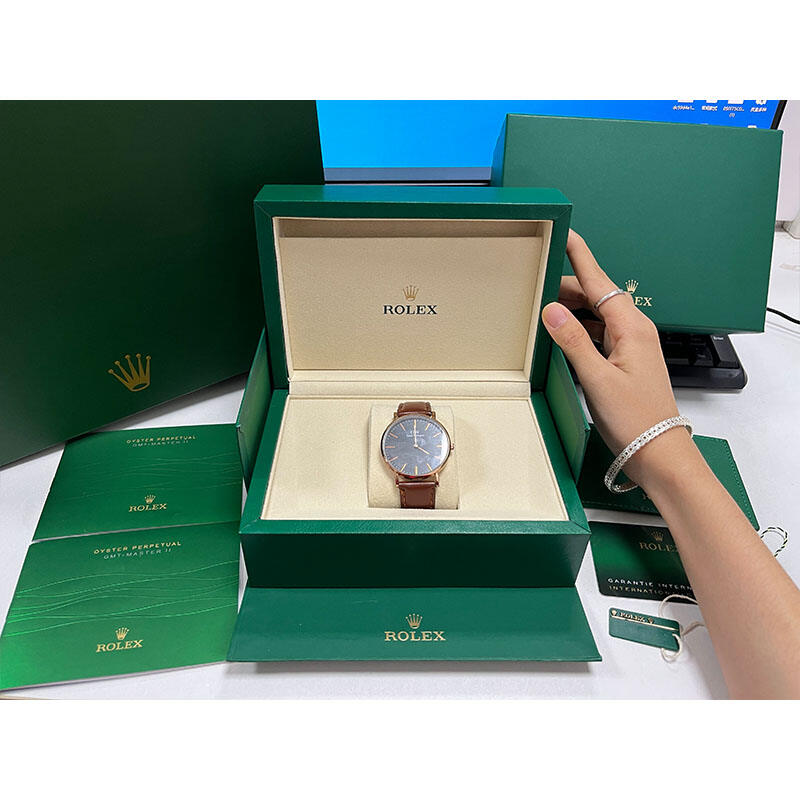
For luxury retail brands, packaging is never an afterthought. It is a direct extension of brand identity, and the moment a customer receives a beautifully crafted foldable gift box, their perception of the brand is shaped before they even see the product inside. Customizing a foldable gift box for a luxury retail context requires a precise understanding of materials, structural engineering, print finishing, and brand storytelling — all working together to create an unboxing experience that feels intentional and premium.
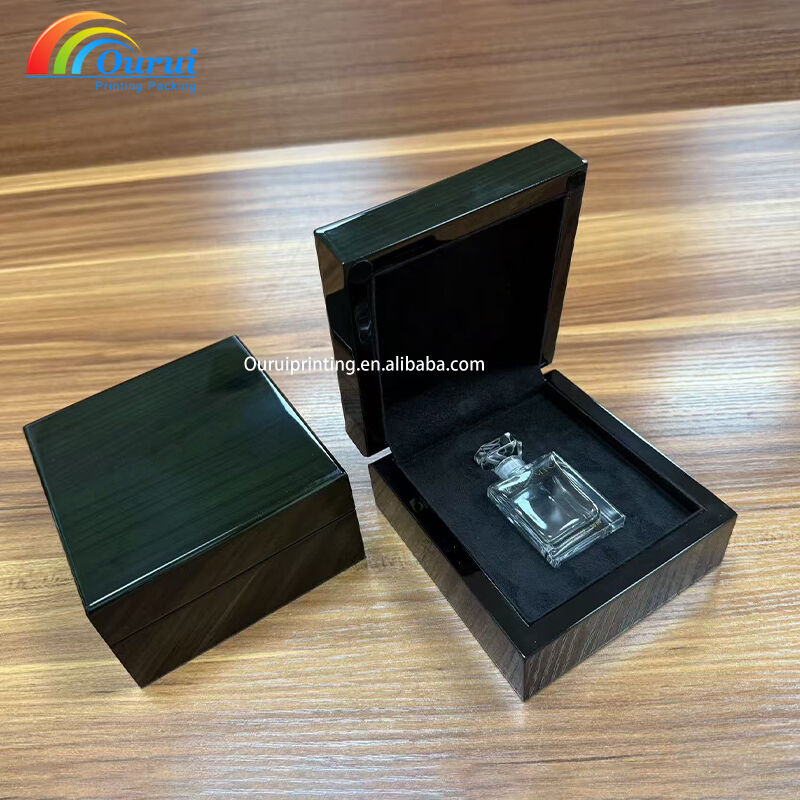
This guide walks through the complete customization process for a foldable gift box designed for luxury retail — from defining your structural requirements and selecting the right substrate to applying surface finishes and ensuring the box performs consistently at scale. Whether you are launching a new jewelry line, a premium watch collection, or a high-end cosmetics range, understanding how to properly customize a foldable gift box will help you deliver packaging that matches the quality of what is inside.
Understanding the Role of a Foldable Gift Box in Luxury Retail
Why Luxury Brands Choose Foldable Structures
A foldable gift box offers a unique combination of structural elegance and logistical practicality that rigid boxes cannot always match. For luxury retail brands managing large SKU volumes or seasonal collections, the ability to ship flat and assemble on-site reduces warehousing costs significantly without compromising the perceived value of the packaging. When engineered correctly, a foldable gift box can feel just as substantial and premium as a fully rigid box.
The key is in the construction. High-end foldable structures use thick greyboard or chipboard cores wrapped in specialty papers, leatherette, or fabric materials that give the box its rigidity once assembled. The fold lines are precision-scored to ensure clean, sharp edges — a detail that communicates craftsmanship to the end consumer. For luxury retail, this level of structural precision is non-negotiable.
Beyond cost efficiency, a well-designed foldable gift box also supports sustainability goals. Flat-pack formats reduce carbon footprint during transportation, which is increasingly important for luxury brands communicating environmental responsibility to their customers. The structure itself can be made from FSC-certified materials without sacrificing the premium aesthetic.
Aligning Box Format with Brand Positioning
Before any customization begins, a luxury brand must align the foldable gift box format with its overall brand positioning. A minimalist fashion label will approach box design very differently from a heritage jewelry house. The format — whether a magnetic closure foldable, a tuck-end style, or a collapsible drawer box — must reflect the brand's visual language and the tactile expectations of its target customer.
Luxury consumers are highly attuned to inconsistency. If a brand's visual identity is built on clean lines and muted tones, a foldable gift box with excessive embellishment will feel off-brand. Conversely, a brand known for opulence and detail needs a box that delivers richness at every touchpoint — from the texture of the outer wrap to the weight of the magnetic closure. Alignment between brand identity and box format is the foundation of effective customization.
Selecting Materials for a Premium Foldable Gift Box
Core Board and Structural Substrates
The structural integrity of a foldable gift box begins with the core board. For luxury applications, greyboard weights typically range from 1200gsm to 2000gsm, depending on the size of the box and the weight of the product it will contain. Heavier boards provide a more substantial feel and resist deformation during shipping, which is critical for protecting high-value items like watches or fine jewelry.
The board must also be compatible with the folding mechanism. Boards that are too rigid will crack at the score lines, while boards that are too flexible will not hold their shape once assembled. Experienced packaging engineers test multiple board weights during the prototyping phase to find the optimal balance between foldability and structural rigidity for each specific foldable gift box design.
For brands requiring a particularly tactile outer surface, the core board is typically wrapped in a secondary material — art paper, specialty textured paper, leatherette, or even real leather for ultra-premium applications. Each wrapping material has different adhesion requirements and finishing compatibility, so material selection must be considered holistically rather than in isolation.
Outer Wrap Materials and Surface Textures
The outer wrap of a foldable gift box is the first thing a customer touches, and texture plays a powerful role in communicating luxury. Soft-touch laminated papers create a velvety, matte surface that feels refined and modern. Linen-textured papers evoke heritage and craftsmanship. Leatherette wraps signal durability and premium positioning, making them a popular choice for watch and jewelry packaging.
Color consistency across the outer wrap is another critical consideration. Luxury brands often work with Pantone-matched custom papers to ensure that the foldable gift box color aligns precisely with brand guidelines. Standard paper stocks may not achieve the exact hue required, so working with a packaging supplier that offers custom paper dyeing or specialty stock sourcing is often necessary at the luxury tier.
Interior lining materials are equally important. Velvet, suede microfiber, and satin are commonly used for the inner surfaces of a luxury foldable gift box, providing both visual richness and product protection. The lining color is typically chosen to complement or contrast the exterior in a way that creates a deliberate reveal effect when the box is opened — a moment that reinforces the brand's attention to detail.
Customizing the Structure and Closure Mechanism
Structural Variations for Different Product Categories
Not all luxury products require the same foldable gift box structure. A flat jewelry piece like a bracelet or necklace may be best served by a shallow, wide-format foldable tray with a fitted lid, while a watch requires a deeper box with a custom-molded insert to hold the timepiece securely. Understanding the dimensional and protective requirements of the product is essential before finalizing the box structure.
Drawer-style foldable boxes, where the inner tray slides out from a sleeve, are particularly popular in luxury cosmetics and fragrance packaging. This format creates a theatrical reveal that elevates the unboxing experience. Magnetic closure foldable boxes, on the other hand, are favored for gift sets and multi-piece collections because they open like a book, presenting all items simultaneously in a visually impactful way.
Each structural variation has different tooling requirements and minimum order quantities, so luxury brands should discuss their volume projections with their packaging partner early in the customization process. A well-engineered foldable gift box structure that is difficult to assemble at scale will create operational problems that undermine the brand experience at the point of sale.
Closure Hardware and Functional Details
The closure mechanism of a foldable gift box is a functional detail that also carries significant brand weight. Magnetic closures are the most common choice for luxury applications because they provide a satisfying, secure close without visible hardware. The magnet strength must be calibrated carefully — too weak and the box feels flimsy, too strong and it becomes difficult for customers to open, particularly for older demographics.
Ribbon pulls, fabric tabs, and custom-molded magnetic clasps are additional closure details that can be incorporated into a foldable gift box to enhance the opening experience. These elements should be specified in the same material and color family as the rest of the box to maintain visual coherence. Even small hardware details like metal corner reinforcements or embossed closure tabs can significantly elevate the perceived quality of the finished package.
For brands that require tamper-evident packaging — common in luxury skincare and spirits — custom seal stickers or wax seal integrations can be designed to work with the foldable structure without compromising the aesthetic. These functional additions must be planned during the structural design phase rather than added as afterthoughts, as they affect the overall dimensions and assembly workflow of the foldable gift box.
Applying Surface Finishes and Brand Graphics
Print Techniques for Luxury Packaging
Printing on a foldable gift box for a luxury brand goes well beyond standard offset or digital printing. The most impactful results come from combining multiple print and finishing techniques to create depth, contrast, and tactile interest. Hot foil stamping in gold, silver, rose gold, or custom Pantone foil colors is one of the most widely used techniques for luxury packaging because it creates a metallic brilliance that cannot be replicated by ink alone.
Embossing and debossing add a three-dimensional quality to logos, monograms, and decorative elements on the foldable gift box surface. A debossed logo on a soft-touch matte surface, for example, creates a subtle but highly tactile brand mark that communicates restraint and quality simultaneously. Spot UV coating can be used to create glossy highlights on specific design elements against a matte background, drawing the eye to key brand identifiers.
For brands with complex graphic identities, a combination of CMYK offset printing with spot color overprints and foil finishing is often required to achieve the desired result. Each additional finishing layer adds cost and production time, so luxury brands should work with their packaging partner to prioritize the techniques that deliver the greatest brand impact for their specific design.
Logo Placement and Brand Consistency
Logo placement on a foldable gift box must be deliberate and consistent with the brand's broader visual standards. For most luxury brands, the logo appears on the lid or front panel in a centered or offset position that creates visual balance. The size of the logo relative to the box surface is a critical decision — too large and it feels commercial, too small and it loses impact at the point of display.
Interior branding is an often-overlooked opportunity in foldable gift box customization. Printing the brand name, a tagline, or a subtle pattern on the interior base or lid lining creates a secondary brand moment when the box is opened. This interior detail is particularly effective for gift packaging, where the recipient's first impression of the brand is formed at the moment of unboxing rather than at the point of purchase.
Consistency across all touchpoints — the outer wrap, the interior lining, the tissue paper, the ribbon, and any accompanying cards — is what separates truly premium packaging from packaging that merely looks expensive. A foldable gift box that is beautifully finished on the outside but inconsistent on the inside signals a lack of attention to detail that luxury consumers will notice and remember. For brands seeking a fully integrated packaging solution, working with a specialist supplier like those offering foldable gift box customization for high-end watch and jewelry brands ensures that every element is engineered to the same standard.
Managing the Customization Process from Brief to Production
Briefing Your Packaging Partner Effectively
A successful foldable gift box customization project begins with a comprehensive brief. The brief should include the product dimensions and weight, the target retail price point, the brand's visual guidelines, the intended distribution channel, and the required order volume. The more specific the brief, the more accurately the packaging partner can recommend the right structure, materials, and finishes without requiring multiple rounds of costly revisions.
Luxury brands should also communicate their sustainability requirements at the briefing stage. If the brand has commitments to recyclable or biodegradable packaging, these constraints will influence material selection and finishing choices for the foldable gift box. Some premium finishing techniques, such as certain laminations, are not compatible with standard recycling streams, so these trade-offs need to be identified and resolved early in the process.
Providing reference samples — both of packaging you admire and packaging you want to avoid — is one of the most effective ways to align expectations with your packaging partner. Physical references communicate tactile and visual qualities that are difficult to convey through written descriptions or digital mood boards alone. A well-briefed packaging partner will be able to translate these references into a foldable gift box specification that is both achievable and cost-effective at your required volume.
Prototyping, Sampling, and Quality Approval
The prototyping phase is where the foldable gift box design is tested against real-world requirements. A structural prototype — typically made from the specified board weight but without final surface finishing — allows the brand team to assess the box dimensions, fold mechanics, closure function, and product fit before committing to tooling costs. This stage often reveals dimensional adjustments that are far less expensive to address in prototype than in production.
Once the structure is approved, a pre-production sample with full surface finishing, print, and hardware is produced for final sign-off. This sample should be evaluated under the same lighting conditions as the intended retail environment, as surface finishes can appear very different under warm retail lighting versus standard office fluorescent lighting. The foldable gift box should also be tested for durability — opening and closing the closure mechanism repeatedly, stacking boxes under load, and assessing the box after simulated shipping conditions.
Quality approval documentation — including approved color swatches, material specifications, and dimensional tolerances — should be formalized before production begins. This documentation protects the brand by establishing clear acceptance criteria that the packaging partner is contractually obligated to meet. For luxury brands producing large volumes of a foldable gift box, even small deviations in color or finish consistency can result in significant quality issues that damage the brand's reputation at retail.
FAQ
What is the minimum order quantity for a custom foldable gift box for a luxury brand?
Minimum order quantities for a custom foldable gift box vary depending on the complexity of the structure, the finishing techniques required, and the supplier's production setup. For luxury-tier packaging with multiple finishing layers such as foil stamping, embossing, and custom lining, minimum orders typically start at 500 to 1000 units. Brands with lower volume requirements may need to simplify the specification or work with a supplier that offers short-run premium packaging services.
How long does the customization process take from brief to delivery?
A full customization cycle for a foldable gift box — from initial brief through structural prototyping, pre-production sampling, and bulk production — typically takes between 6 and 12 weeks depending on the complexity of the design and the supplier's production schedule. Brands with tight launch timelines should factor this lead time into their product launch planning and initiate the packaging brief as early as possible in the product development cycle.
Can a foldable gift box be made from sustainable materials without compromising luxury aesthetics?
Yes. A foldable gift box can be produced using FSC-certified boards, water-based adhesives, and recyclable paper wraps while still achieving a premium aesthetic. Soft-touch aqueous coatings, for example, provide a luxury tactile finish that is more environmentally compatible than plastic lamination. The key is to work with a packaging partner experienced in sustainable luxury packaging who can guide material selection without compromising the brand's quality standards.
What finishing techniques work best for a luxury foldable gift box with a minimalist design?
For a minimalist luxury foldable gift box, the most effective finishing approach typically combines a matte soft-touch outer wrap with a single debossed or blind-embossed logo. This creates a refined, tactile brand mark without visual clutter. If a metallic element is desired, a fine-line foil stamp in a tonal or near-tonal color — such as a champagne gold foil on a warm grey surface — adds luxury without overwhelming the minimalist aesthetic. Restraint in finishing is often what communicates the highest level of luxury.
Table of Contents
- Understanding the Role of a Foldable Gift Box in Luxury Retail
- Selecting Materials for a Premium Foldable Gift Box
- Customizing the Structure and Closure Mechanism
- Applying Surface Finishes and Brand Graphics
- Managing the Customization Process from Brief to Production
-
FAQ
- What is the minimum order quantity for a custom foldable gift box for a luxury brand?
- How long does the customization process take from brief to delivery?
- Can a foldable gift box be made from sustainable materials without compromising luxury aesthetics?
- What finishing techniques work best for a luxury foldable gift box with a minimalist design?