
 EN
EN



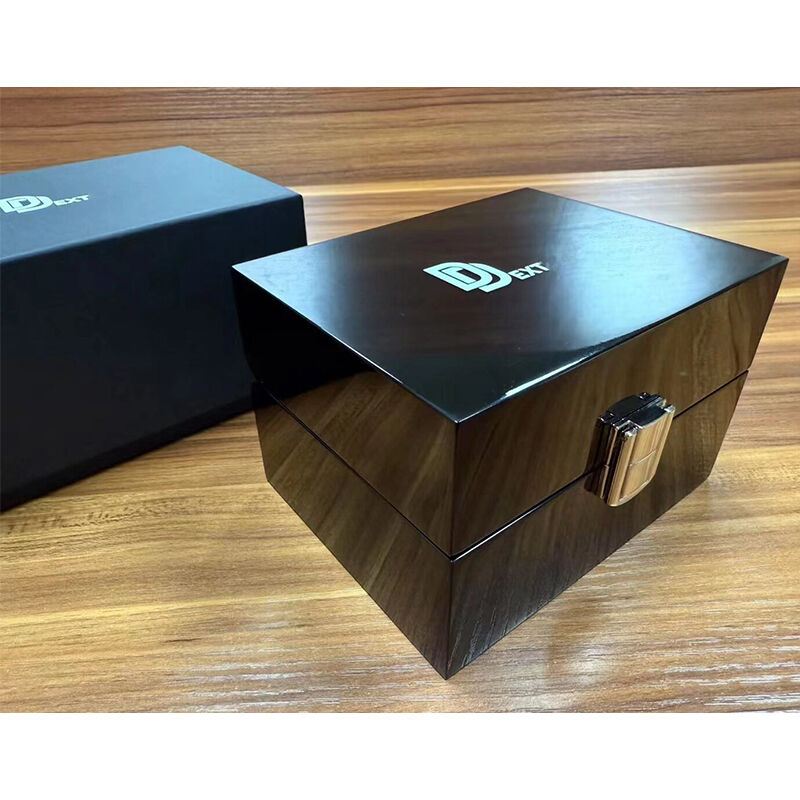
When it comes to high-value client gifting, the packaging is never just an afterthought. The moment a recipient holds a beautifully crafted Van Cleef box in their hands, something shifts. The weight, the texture, the quiet elegance of the structure — all of it communicates a level of care and intentionality that generic packaging simply cannot replicate. For businesses that rely on gifting as a relationship-building tool, this distinction matters enormously.
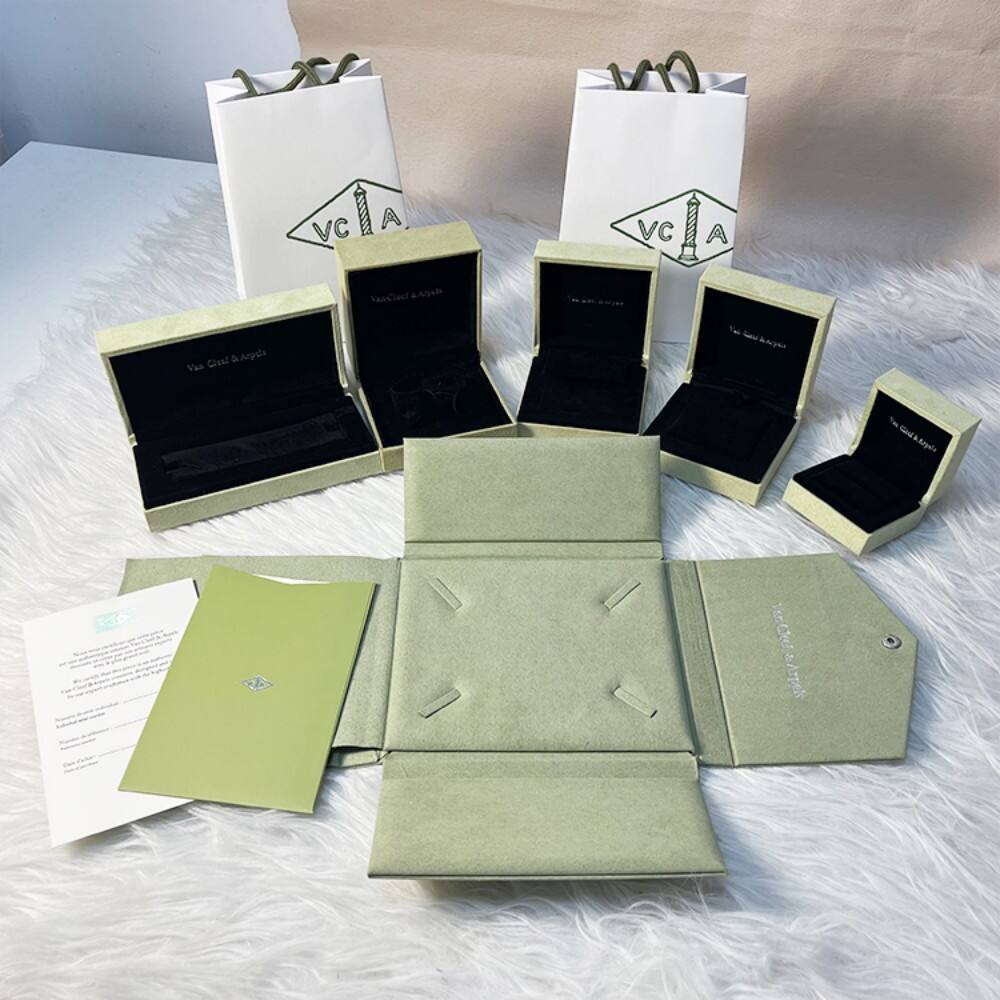
The Van Cleef box style draws from a heritage of fine jewelry presentation — precise construction, premium materials, and a visual identity that signals luxury before the contents are even revealed. Businesses across sectors are increasingly recognizing that adopting this style of packaging for client gifts can meaningfully elevate the entire gifting experience. This article explores exactly how and why that elevation happens, and what it means for your client relationships in practice.
The Psychology Behind Luxury Packaging in Client Gifting
First Impressions Are Formed Before the Gift Is Opened
Research in consumer psychology consistently shows that packaging shapes perception before the product inside is ever seen. When a client receives a Van Cleef box, the tactile and visual cues trigger an immediate emotional response. The structured form, the smooth finish, and the deliberate proportions all communicate that the sender invested thought and resources into this moment.
This pre-opening experience is not trivial. In B2B gifting contexts, where the goal is often to reinforce trust, express appreciation, or mark a milestone in a business relationship, the packaging becomes the first sentence of that message. A Van Cleef box style delivers that sentence with authority and warmth simultaneously.
Clients who receive gifts in premium packaging are more likely to associate the sender with qualities like attention to detail, professionalism, and genuine regard. These associations are difficult to build through words alone, but packaging can establish them almost instantly.
The Emotional Value of Unboxing in a Professional Context
The unboxing moment has become a recognized touchpoint in both consumer and professional gifting. When a Van Cleef box is opened, the experience is designed to unfold gradually — the lid lifts cleanly, the interior is composed, and the item inside is presented rather than simply stored. This sequence creates a small but meaningful ritual.
For clients, this ritual communicates that the gift was chosen and presented with care. It transforms a transactional gesture into a memorable experience. In industries where differentiation is subtle and relationships are long-term, these moments of genuine impression-making carry real strategic value.
The Van Cleef box style is particularly effective here because its design language is rooted in jewelry presentation — a category where the unboxing experience has been refined over generations to maximize emotional impact. Applying that same logic to client gifting imports a level of sophistication that most standard gift packaging cannot match.
How the Van Cleef Box Style Elevates Perceived Gift Value
Packaging as a Signal of the Gift's Worth
Perceived value is not the same as actual value, but in gifting, perception is often what matters most. A Van Cleef box elevates the perceived value of whatever it contains. Whether the gift inside is a piece of jewelry, a keepsake, or a branded item, the packaging frames it as something worth presenting carefully.
This effect is well understood in luxury retail, where the box itself is often kept long after the product has been used or worn. The Van Cleef box achieves this because it is constructed to last — it does not collapse, fade, or lose its shape. Clients who keep the box are reminded of the sender every time they see it, extending the gifting moment far beyond the day of receipt.
For businesses, this means that investing in a Van Cleef box style packaging is not simply a cost — it is a form of ongoing brand presence in the client's environment. The box becomes a quiet ambassador for the relationship.
Material Quality and Structural Integrity as Trust Signals
The Van Cleef box is characterized by its material quality. The exterior finish, the interior lining, and the precision of the construction all reflect a standard that clients associate with reliability and excellence. When a business chooses this style of packaging, it implicitly signals that it holds itself to the same standard in its professional work.
This is a subtle but powerful form of brand communication. Clients in high-value industries — finance, legal services, luxury goods, real estate, and others — are attuned to quality signals. A Van Cleef box speaks their language without requiring any explanation.
The structural integrity of the box also protects the gift during transit and handling, which is a practical consideration that reinforces the impression of care. A gift that arrives in perfect condition, in a box that shows no signs of wear or damage, tells the client that every detail of their experience was considered.
Strategic Applications of the Van Cleef Box Style in B2B Gifting
Milestone and Relationship Gifting
Not all client gifts serve the same purpose. Some mark milestones — a contract renewal, a project completion, an anniversary of the business relationship. Others are expressions of ongoing appreciation or seasonal acknowledgment. The Van Cleef box style is particularly well suited to milestone gifting because its visual weight matches the significance of the occasion.
When a client receives a Van Cleef box to mark a meaningful moment, the packaging reinforces the message that this occasion is being recognized with appropriate gravity. It elevates the gesture from routine to memorable, which is exactly what milestone gifting is designed to achieve.
For relationship gifting — where the goal is simply to maintain warmth and connection — the Van Cleef box style works because it never feels generic. Even a modest gift inside a well-crafted Van Cleef box feels considered and personal, which is the emotional register that relationship gifting needs to hit.
Gifting as a Brand Extension Strategy
Forward-thinking businesses treat client gifting as an extension of their brand identity. The Van Cleef box style supports this strategy because it carries a clear aesthetic vocabulary — one associated with precision, elegance, and quality. When a business consistently uses this style of packaging, it begins to build a gifting identity that clients recognize and associate with the brand.
This consistency matters. A client who has received multiple gifts in a Van Cleef box over the course of a relationship begins to anticipate that experience. The packaging becomes part of the brand's signature, reinforcing the values the business wants to project.
The Van Cleef box also photographs well, which is relevant in an era where clients may share gifting experiences on professional networks or internal communications. The visual quality of the packaging reflects positively on the sender in these secondary audiences as well.
Practical Considerations When Adopting the Van Cleef Box Style
Matching the Box to the Gift and the Recipient
The Van Cleef box style is most effective when the gift inside is chosen with the same level of care as the packaging. A mismatch between a premium Van Cleef box and a low-effort gift can actually undermine the impression, drawing attention to the gap between presentation and substance. The packaging sets an expectation that the gift needs to meet.
For businesses adopting this approach, the practical implication is that the Van Cleef box should be part of a holistic gifting strategy — one where the selection of the gift, the timing of delivery, and the accompanying message are all considered together. The box amplifies the impact of a well-chosen gift; it cannot substitute for one.
Recipient context also matters. The Van Cleef box style resonates most strongly with clients who operate in or appreciate luxury and premium environments. For clients in more utilitarian industries, the packaging may still be appreciated, but the emotional register may be different. Understanding your client base helps you deploy this style where it will have the greatest effect.
Sourcing and Consistency in Gifting Programs
For businesses that gift at scale — across large client portfolios or during peak gifting seasons — consistency in packaging quality is essential. A Van Cleef box that varies in quality from one delivery to the next undermines the brand signal it is meant to send. Sourcing from a reliable supplier who can maintain consistent standards is therefore a practical priority.
The Van Cleef box style requires attention to detail in production — the fit of the lid, the quality of the lining, the finish of the exterior. These are not details that can be compromised without affecting the overall impression. Businesses should evaluate suppliers carefully and, where possible, standardize on a single source to ensure uniformity across their gifting program.
Lead times and inventory management are also relevant considerations. Premium packaging like the Van Cleef box is not always available on short notice, so gifting programs that rely on this style benefit from advance planning and adequate stock management.
FAQ
What makes the Van Cleef box style different from standard gift packaging?
The Van Cleef box style is distinguished by its structural precision, premium material quality, and the deliberate aesthetic it projects. Unlike standard gift packaging, which prioritizes cost efficiency, the Van Cleef box is designed to create a specific emotional experience — one associated with luxury, care, and attention to detail. This makes it a fundamentally different tool in the gifting context, one that communicates brand values as much as it protects the gift inside.
Is the Van Cleef box style appropriate for all types of client gifts?
The Van Cleef box style works best when the gift inside matches the quality signal the packaging sends. It is particularly well suited to jewelry, keepsakes, branded luxury items, and other gifts that benefit from elevated presentation. For very utilitarian gifts, the packaging may feel mismatched. The key is ensuring that the overall gifting experience — box, gift, and message — is coherent and intentional.
Can using a Van Cleef box style strengthen long-term client relationships?
Yes, consistently using a Van Cleef box style in your gifting program can contribute meaningfully to long-term relationship strength. The packaging creates memorable experiences, signals ongoing investment in the relationship, and builds a recognizable gifting identity over time. Clients who receive gifts in a Van Cleef box repeatedly begin to associate that experience with your brand, reinforcing positive perceptions of your business.
How should businesses source Van Cleef box style packaging for a gifting program?
Businesses should prioritize suppliers who can deliver consistent quality across orders, with attention to the specific construction details that define the Van Cleef box style — lid fit, interior lining, exterior finish, and structural durability. For gifting programs that operate at scale, advance planning and standardized sourcing are important to maintain the quality consistency that makes this packaging effective as a brand signal.
Table of Contents
- The Psychology Behind Luxury Packaging in Client Gifting
- How the Van Cleef Box Style Elevates Perceived Gift Value
- Strategic Applications of the Van Cleef Box Style in B2B Gifting
- Practical Considerations When Adopting the Van Cleef Box Style
-
FAQ
- What makes the Van Cleef box style different from standard gift packaging?
- Is the Van Cleef box style appropriate for all types of client gifts?
- Can using a Van Cleef box style strengthen long-term client relationships?
- How should businesses source Van Cleef box style packaging for a gifting program?