Versatile Design Integration Across Multiple Applications
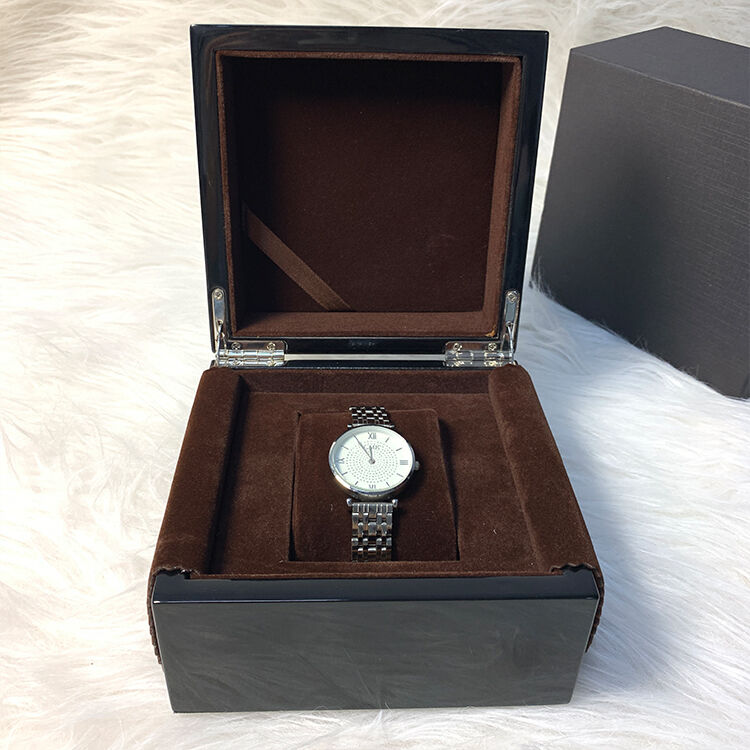
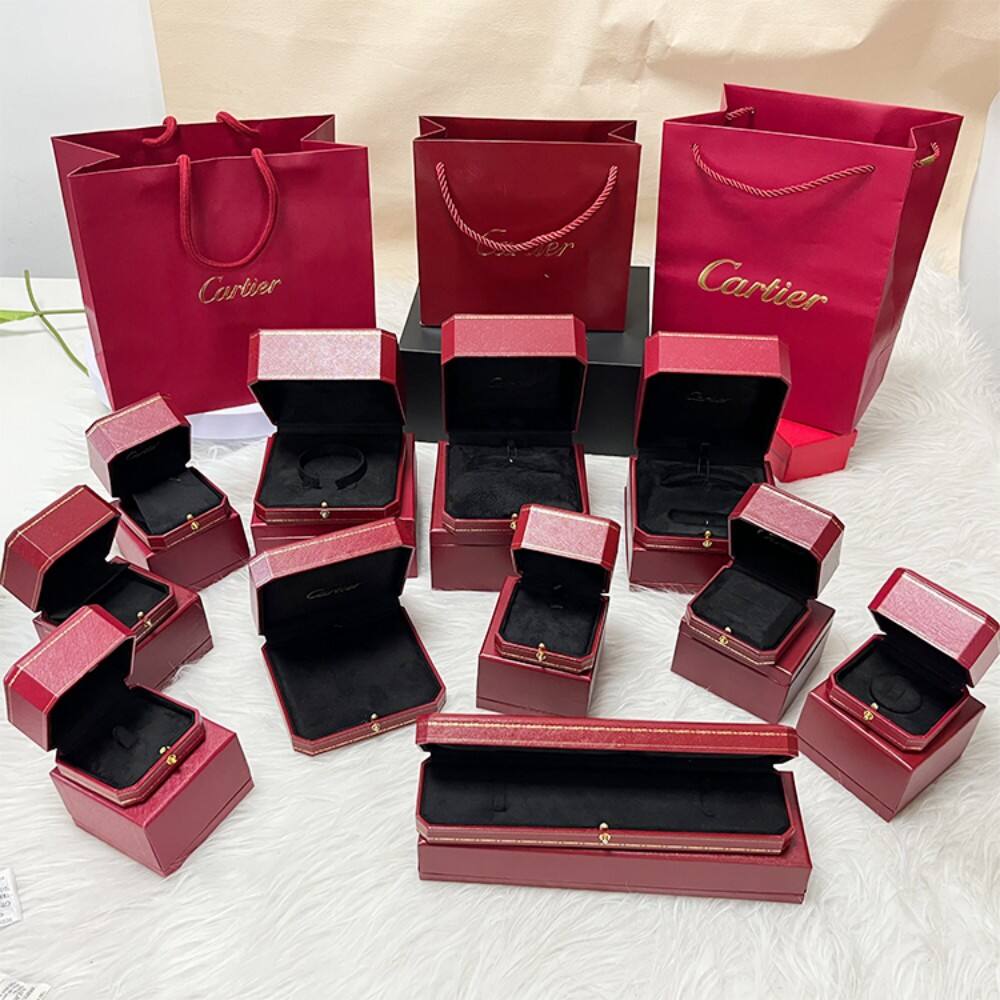
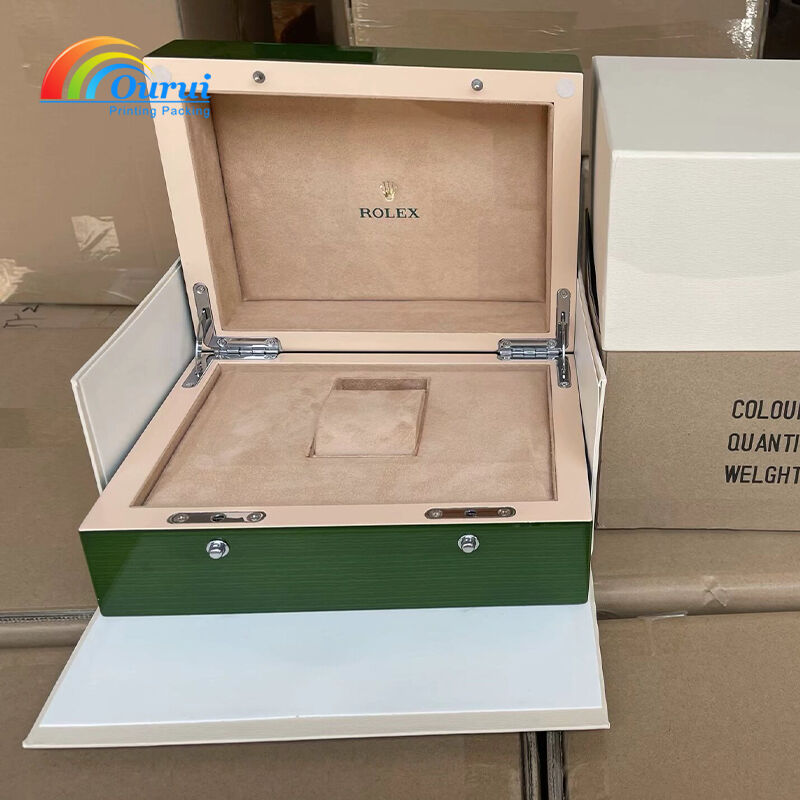
The adaptability of jewelry box velvet enables seamless integration into diverse storage and display configurations, accommodating both traditional designs and innovative contemporary solutions. This versatility begins with the material's physical flexibility, which allows conforming to curved surfaces, angled compartments, and three-dimensional forms without creating unsightly wrinkles or gaps that would compromise both aesthetics and functionality. Manufacturers appreciate how jewelry box velvet accepts various adhesive systems, from spray adhesives for large surface applications to precision glues for detailed compartment work, ensuring secure attachment that withstands repeated opening and closing cycles without delamination or lifting. The material's consistent thickness facilitates precise planning during design phases, as engineers can accurately calculate spatial requirements and ensure proper fit tolerances for lids, drawers, and removable trays. Jewelry box velvet performs equally well in compact travel cases and expansive armoire-style storage systems, scaling appropriately across size ranges without requiring different material specifications or installation techniques. The fabric accommodates diverse compartmentalization strategies, whether featuring simple open spaces, ring rolls, necklace hooks, watch pillows, or specialized holders for specific jewelry categories. Color customization options enable jewelry box velvet to support brand identity reinforcement in commercial applications, where coordinating fabric colors with company logos and packaging materials creates cohesive visual presentations that strengthen brand recognition. The material works effectively with various box construction materials, including wood, plastic, leather, and metal, adhering properly to different substrate textures and maintaining secure bonds despite expansion and contraction caused by environmental humidity changes. Jewelry box velvet suits both lined interiors and external covering applications, offering consistent aesthetic quality whether used as primary decorative surfacing or hidden protective lining within closed compartments. The fabric's durability supports high-frequency access patterns in retail display settings where merchandise undergoes constant handling by staff and customers, maintaining appearance quality despite repeated contact and exposure. Installation techniques range from full surface coverage for maximum protection to strategic placement in high-contact zones for cost optimization, giving designers flexibility to balance protection priorities against budget constraints. The material thickness options available in jewelry box velvet lines enable fine-tuning for specific applications, with thinner versions suitable for space-constrained designs and thicker variants providing enhanced cushioning for particularly valuable or fragile items requiring maximum protection levels.


 EN
EN